ODCJ | ZONE C-SZ 03 | CONDEMN CELL & GALLOWS
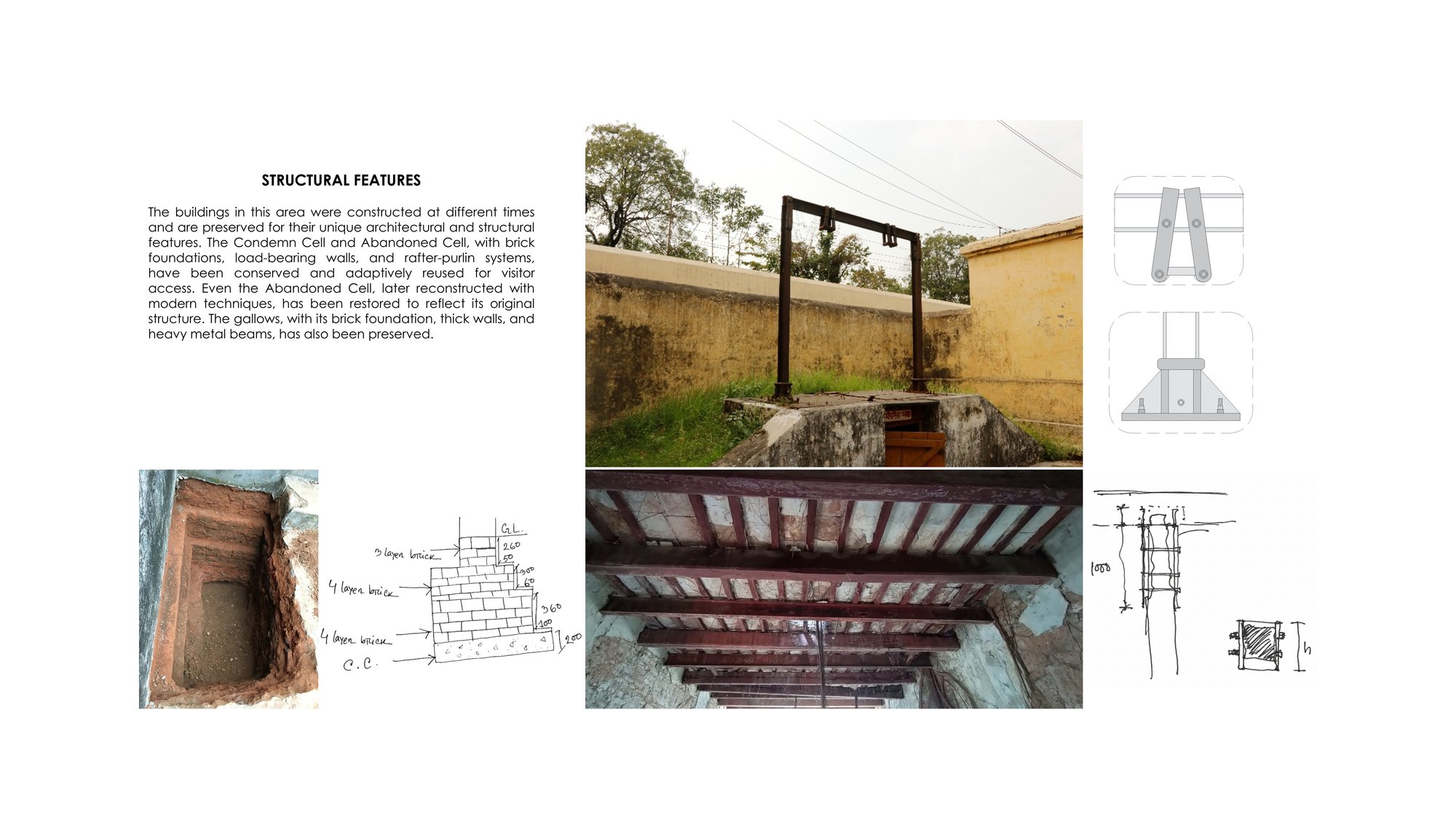
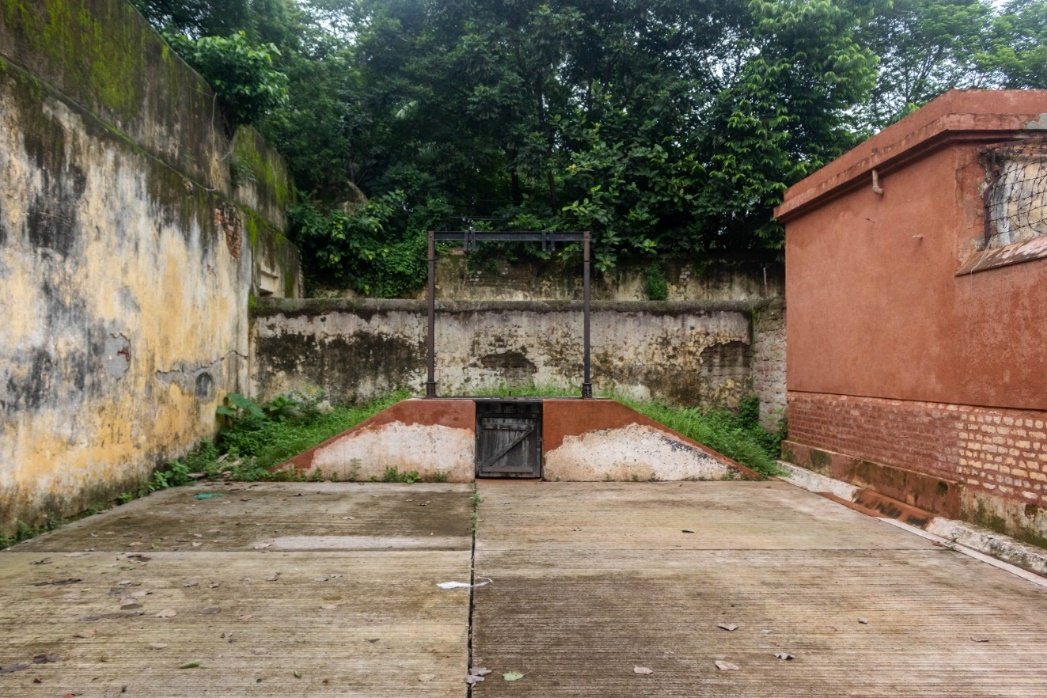
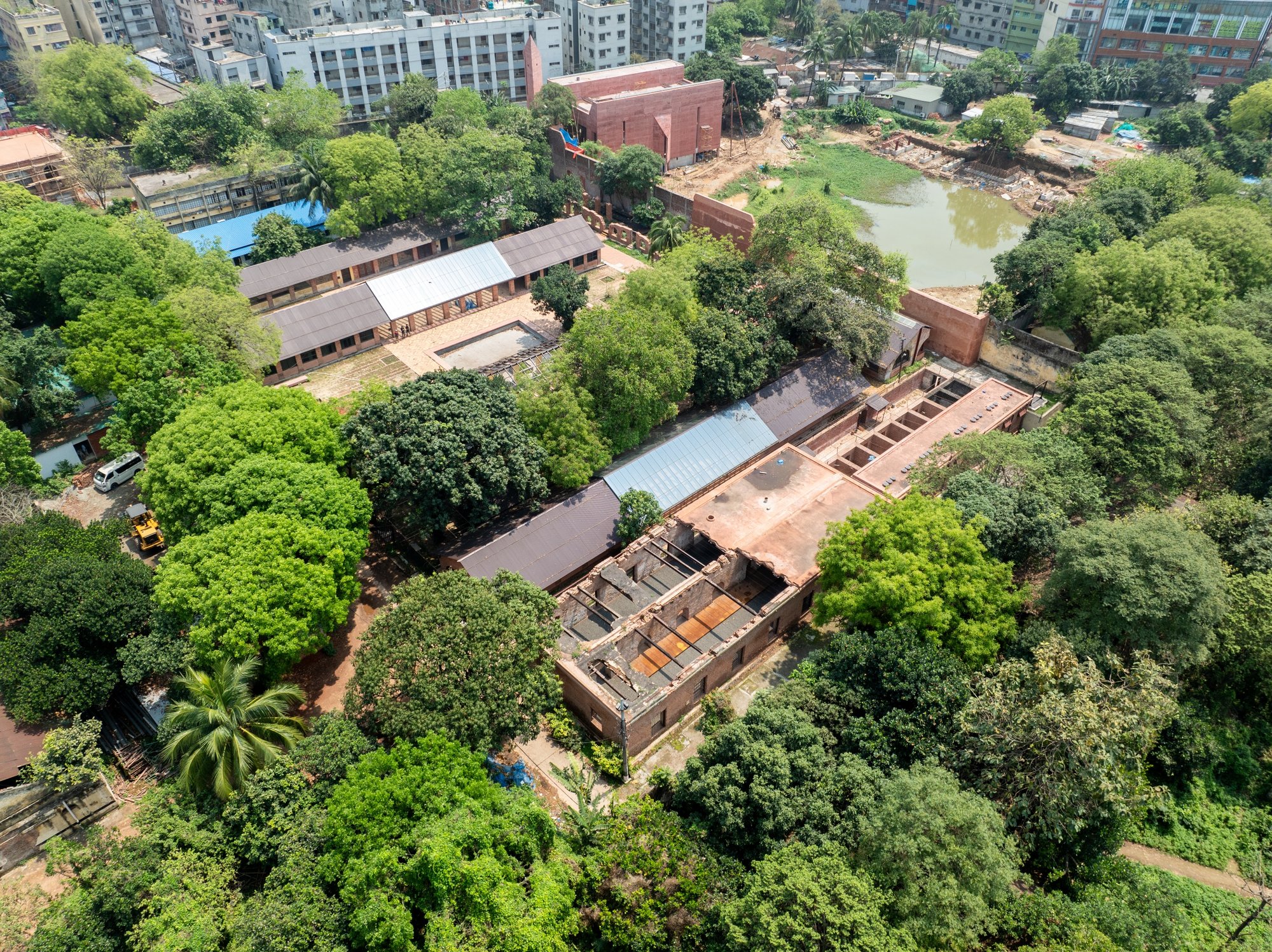
Condemn cell installation court or Gallows history court: The zone is accessed through an installation court that contains the ambience and horror of death sentences. Gallows: The gallows with its horror and inspiring ambience is accentuated to preserve the historical memory of all death sentenced executed here.
Abandoned Cell which is kept abandoned for many years which carries so many histories with its age, is conserved to hold indoor and outdoor gallery space.
Site Location: 30/3, Umesh Nandakumar Dutta Rd, Dhaka 1211
Site Area: 1120 SQM
Previous Use: Condemned Prisoner’s Cell
Proposed Use: Museum displaying Condemn cell life
Client: Prisons Directorate, Security Services Division, Ministry Of Home Affairs, Gob
Structural Consultant: SB Consultant Ltd.
MEP Consultant: SM Engineering solution
Photographer: City Syntax
Project Status: On Going
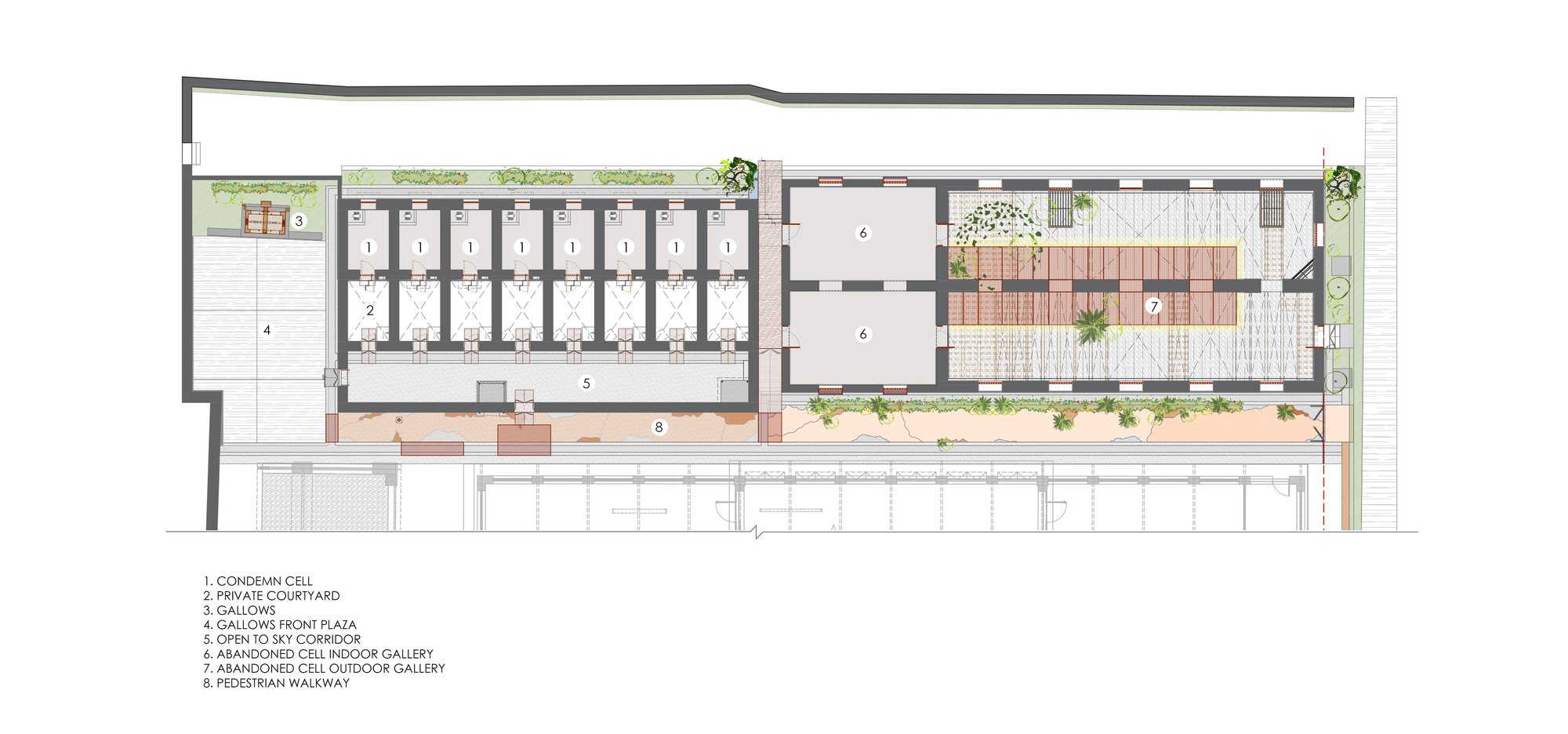
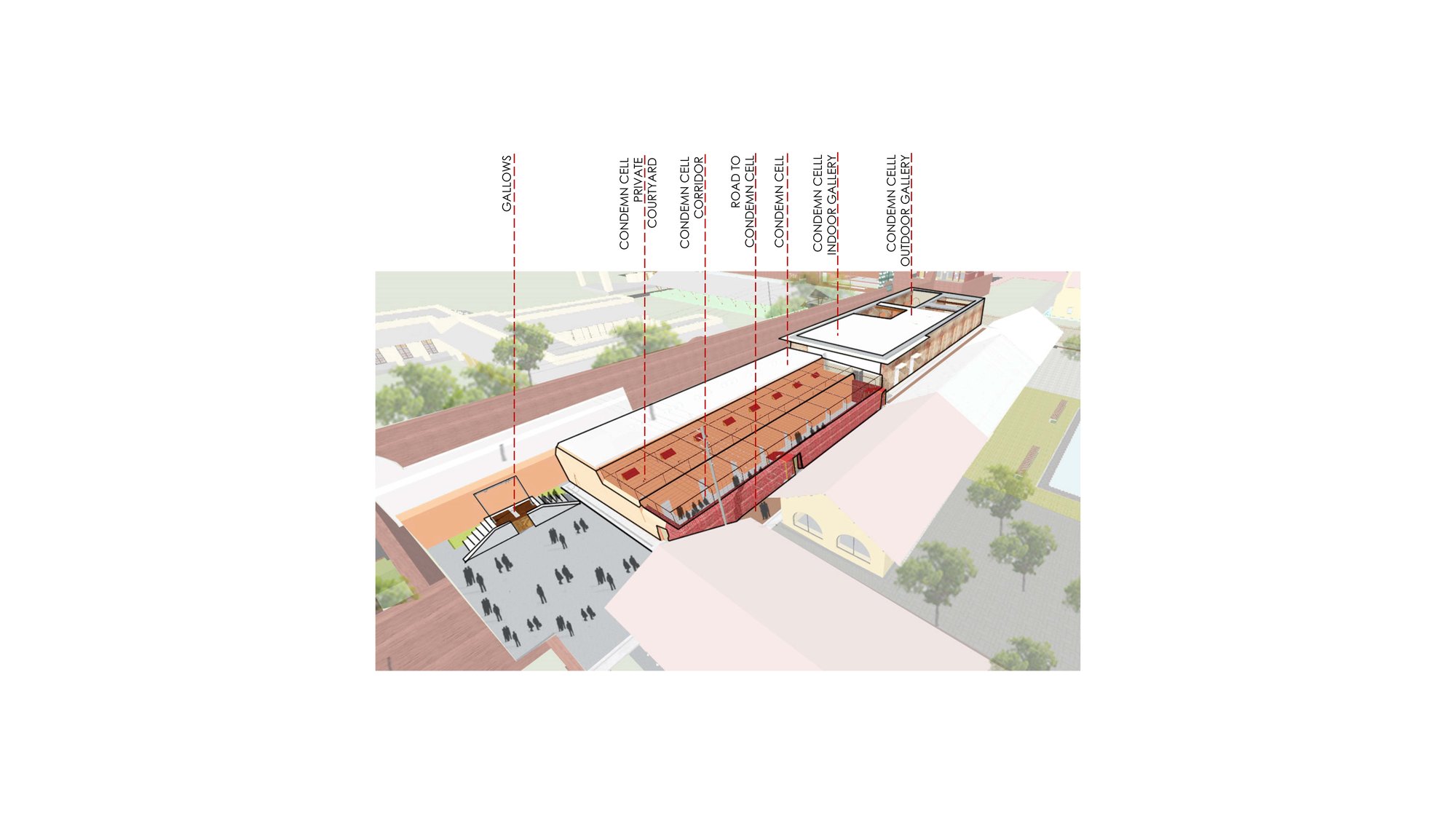
The Condemn Cell and Gallows zone will attract a large number of gathering due to its horrific history, as visitors approach from the Central Axis road and the Workshop area. To honor its historical significance, several conservation measures- Historic Buildings Preservation, Conservation and Renovation, Reuse of Existing Significant Buildings, landscape development. The road surfaces and surrounding vegetation intentionally retain or replicate their aged, decayed character to help visitors connect with the site’s past.
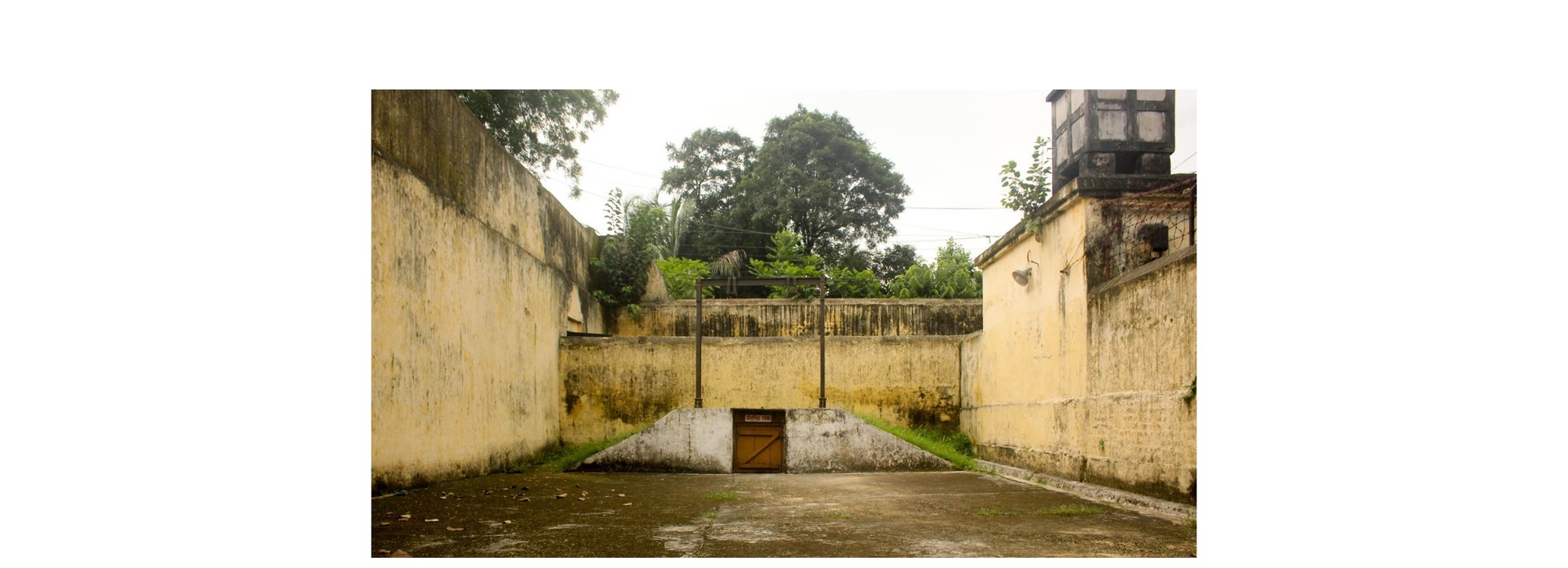
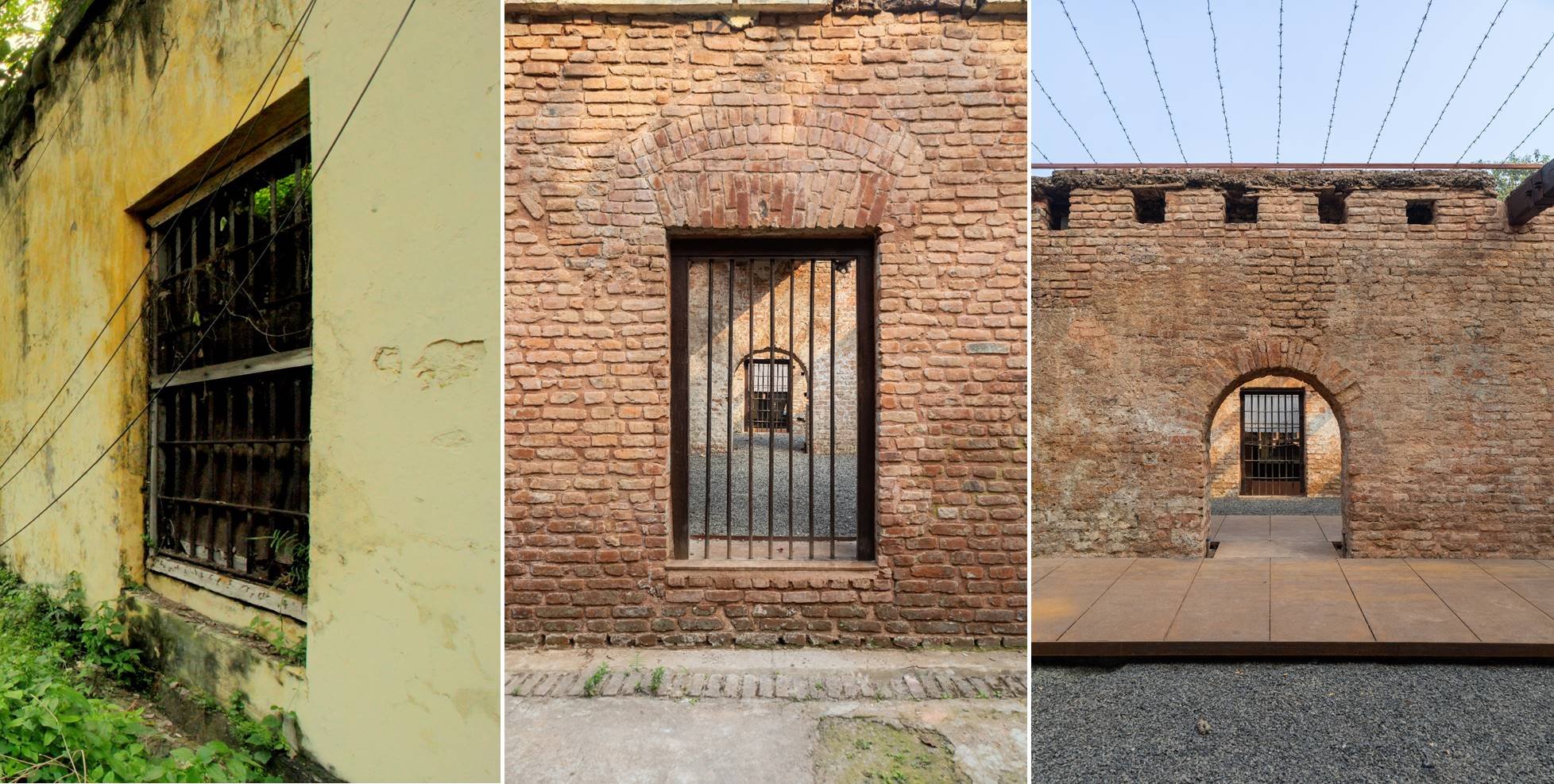
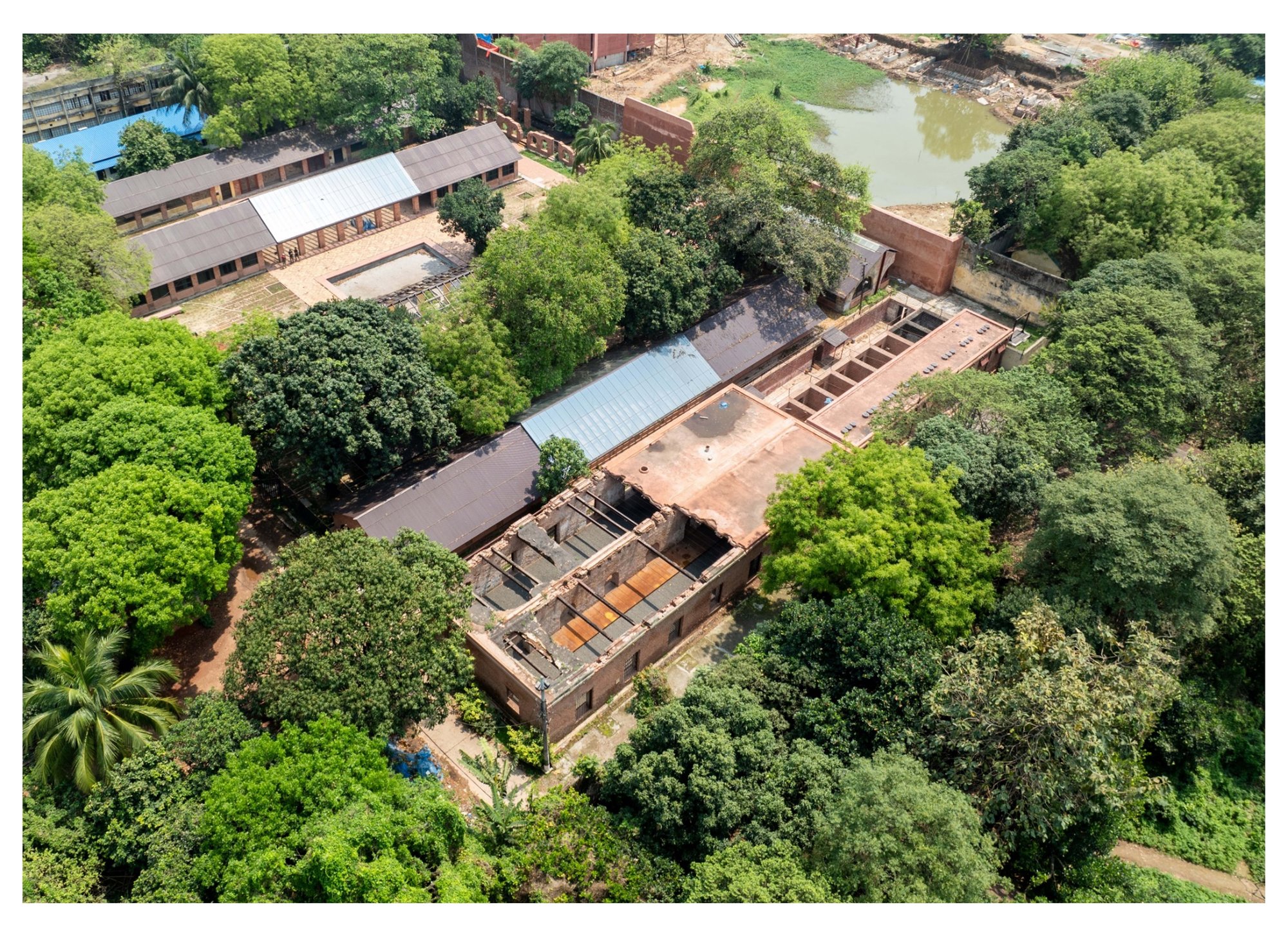
PREVIOUS GALLOWS CONDITION
The narrowing pathway to the Gallows zone emphasizes its isolation from the main cell blocks, creating a quiet, haunting atmosphere that separates the condemned from the daily life of other prisoners. Before the abandonment of the jail, this area had been actively used in order to hang the prisoner awarded death-sentence. This area is established in Colonial Period.
The Gallows and the Front Plaza allows public gathering, with its horror and inspiring ambience is accentuated to preserve the historical memory of all death sentence executed here. The area will be preserved almost at its original state and focus mostly on giving experience to the visitors. Story of the Jallad and their experiences, the Hanged people and their families, will be displayed through holographic projection, interactive display, audio presentation and other installations.
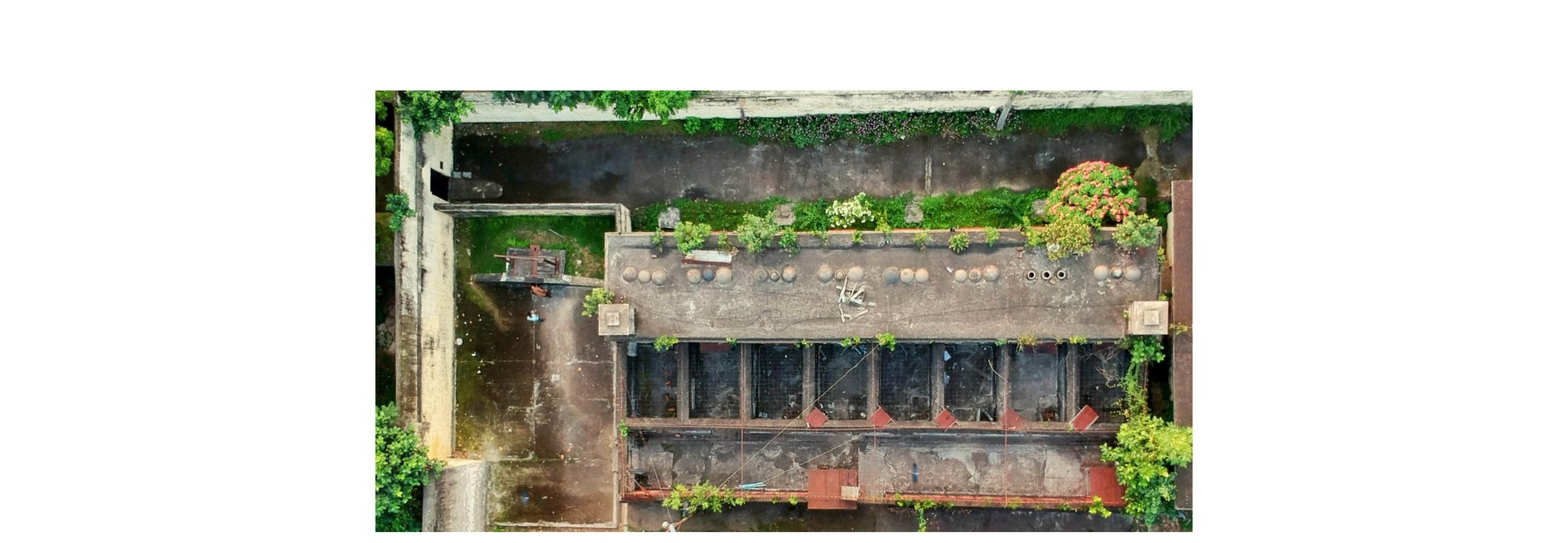
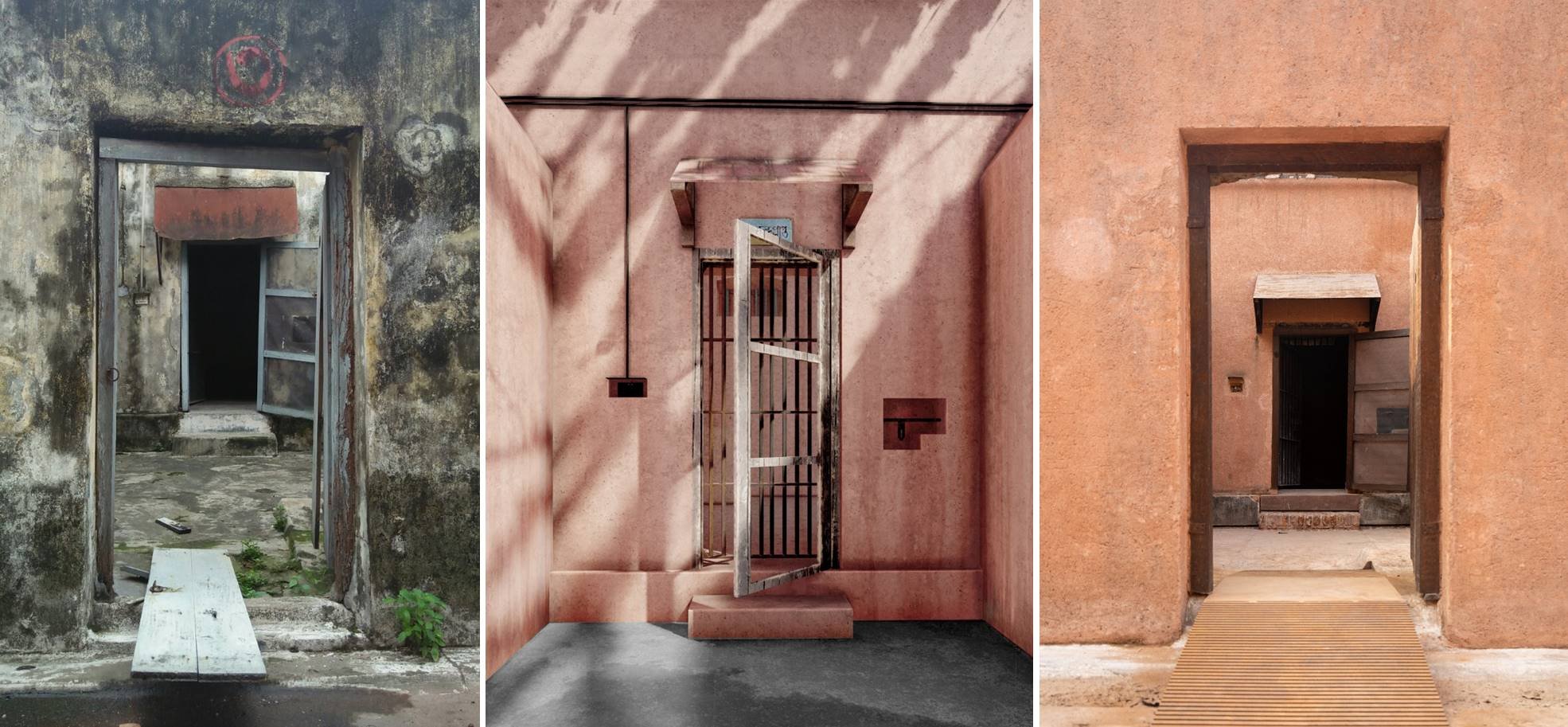
PREVIOUS CONDEMN CELL CONDITION
Before the abandonment of the jail, this Condemn Cell or Rajanigandha Cell (8 cell) Area used to keep prisoners who were accused to hanging. For a prisoner, the condemn cell is a place where time feels suspended. The small, confined space carries a heavy stillness, broken only by the distant echoes of the prison outside. Individual cell blocks of the Condemn Cell are connected with a private circulation path which can be accessed from the gallows plaza. It has two guard stands and for additional security the corridor is covered with condensed barbed wire. The prisoners used to spent a specific time of the day at this corridor, so it has the presence of few evidences of the prisoners living which will be preserved as found.
To convey the tale of Condemn Cell area, the space will feature sculptures expressing the struggle and agony associated with its memories, as well as displays of letters, artworks, and writings created by condemned prisoners. This area is established in Colonial Period.
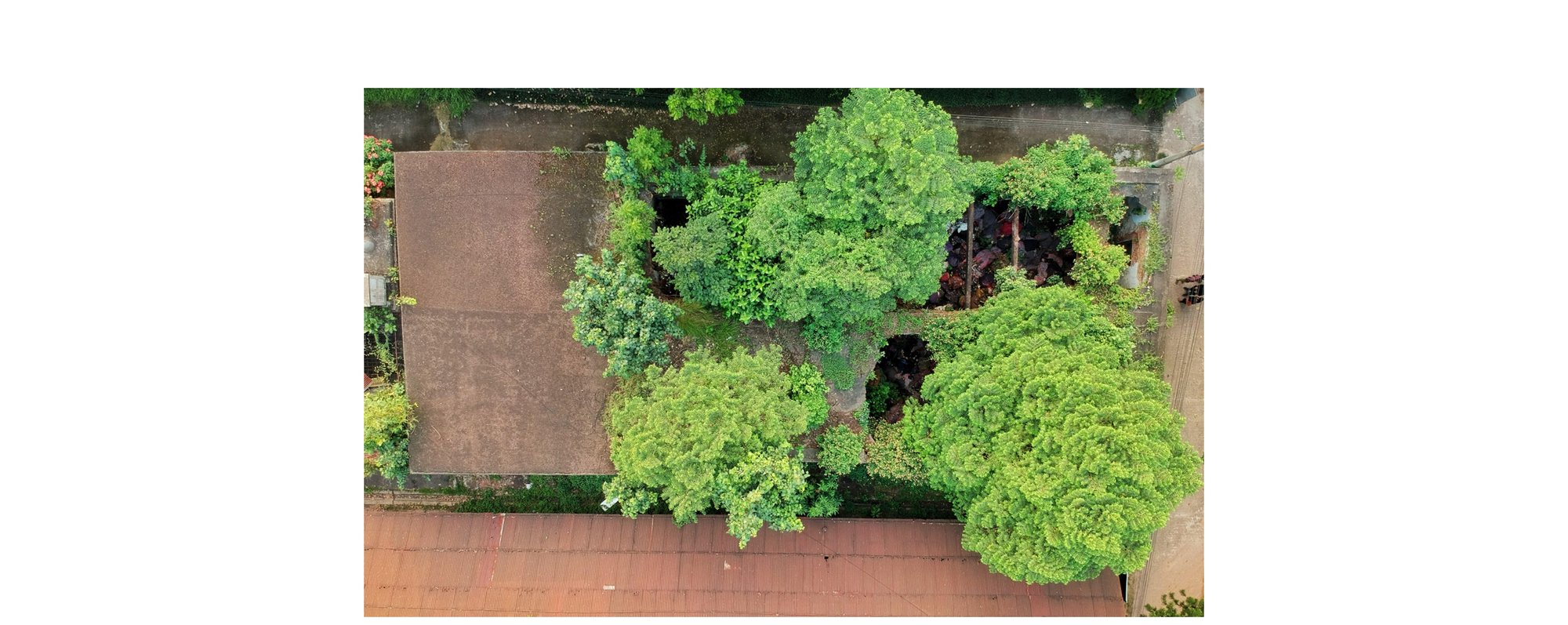
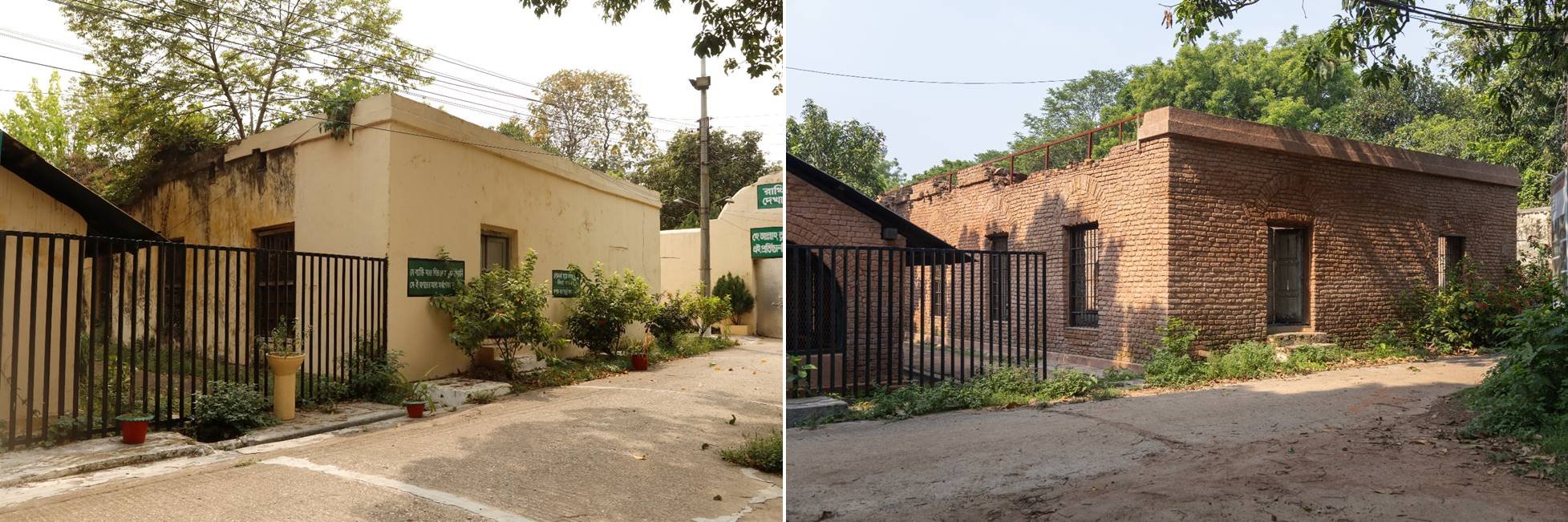
PREVIOUS ABANDONED CELL CONDITION
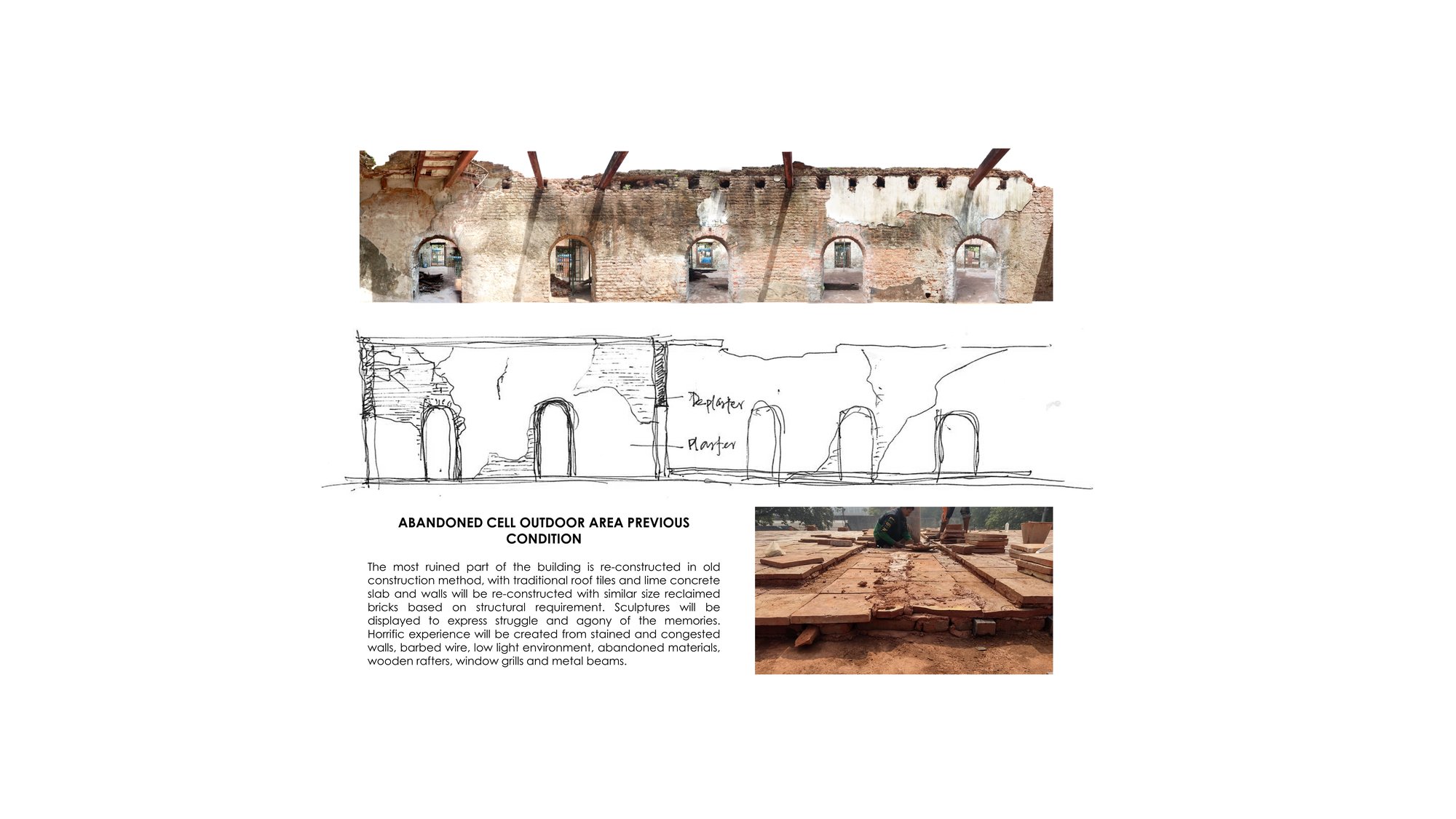
Before the abandonment of the jail, this Abandoned Cell had been found abandoned with adjacent Manufacturing Department offices’ storage products. This building is restored to display condemn cell experience. This area is established in Colonial Period.
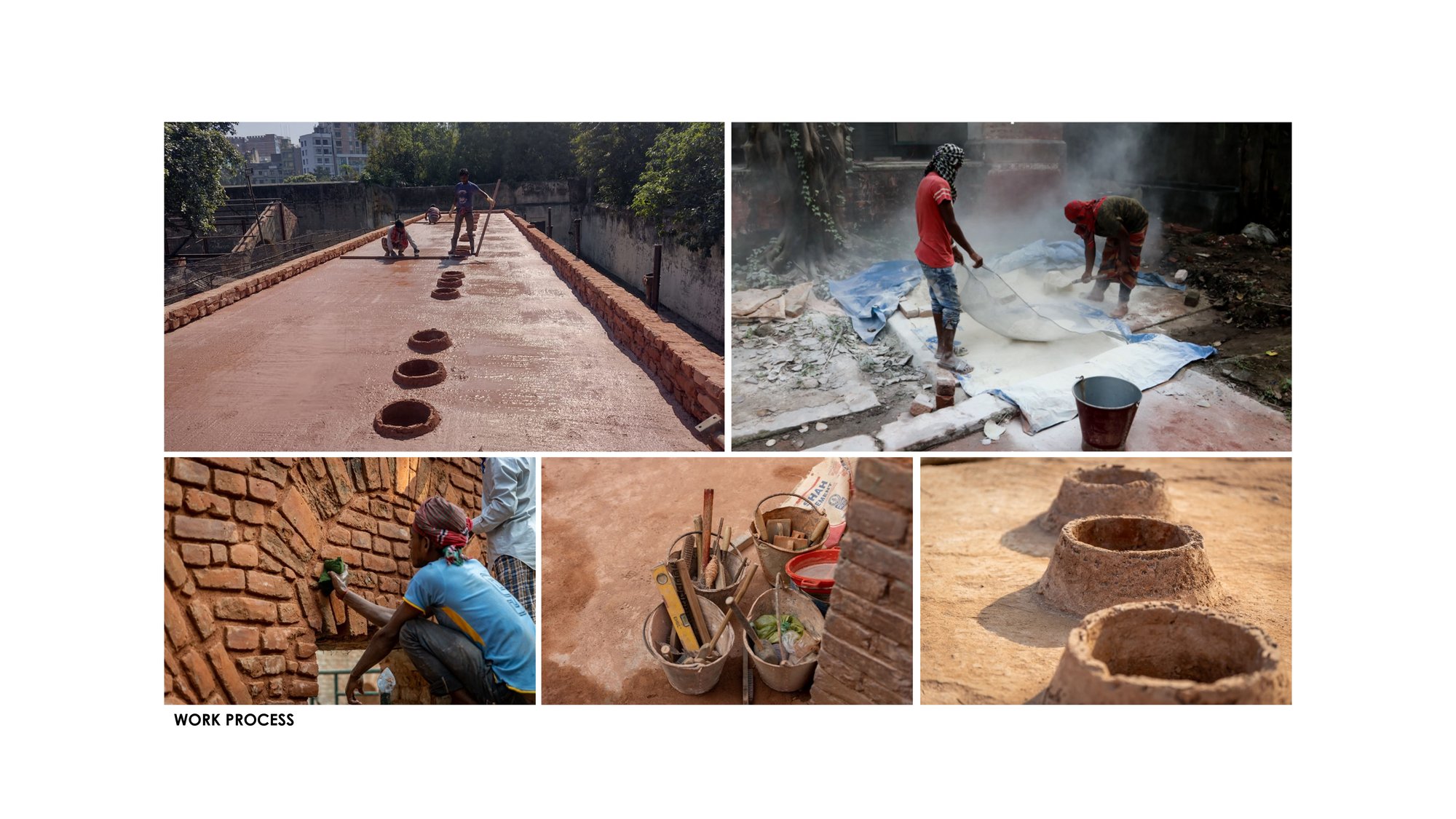
The abandoned cell indoor part is restored as condemn cell indoor gallery. One will access this space after visiting the condemn cell area. The partially ruined cell is reconstructed using traditional building methods and fitted with a suitable conditioning system for proper display conditions. The gallery will showcase letters, personal items, artworks, writings, family records, and newspaper cuttings of condemned prisoners, along with interactive panels presenting the history and chronology of the condemn cell.